
I perfected an Italian sandwich loaf with a crackling crust, featherlight crumb, and enough flavor to make every sandwich unforgettable.
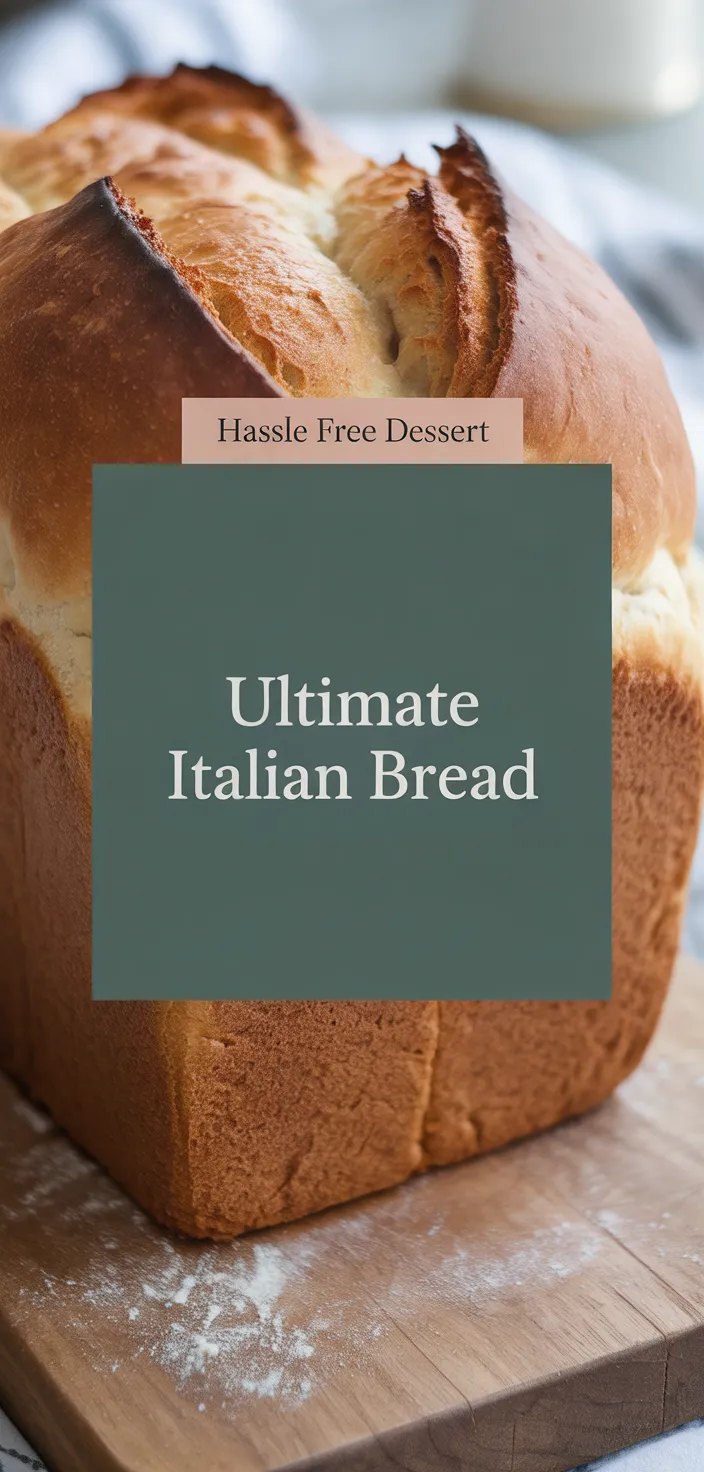
I adore this Italian sandwich loaf because it nails that contrast I obsess over: a crisp crust and an airy, pillowy interior that holds up to thick fillings. I love the way bread flour gives the crumb a chewy, satisfying bite and how a slick of extra virgin olive oil teases the crust with glossy, savory notes.
But it’s not precious or fussy; it wants big slices, rustic fillings, and sandwiches that don’t collapse when you take a bite. Morning or midnight, I reach for this loaf.
Pure sandwich joy. No drama, just bread that makes every bite worth it.
Ingredients
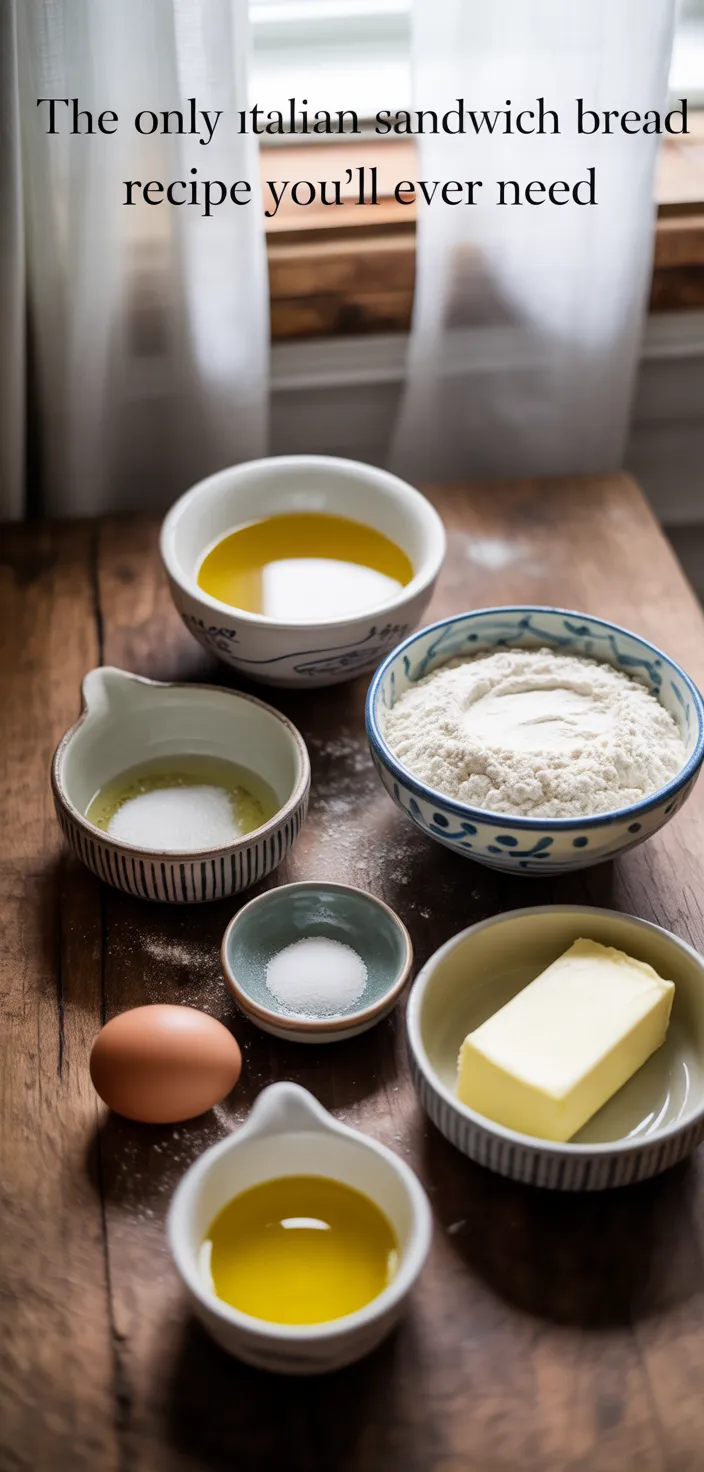
- Bread flour: backbone that gives chew and structure, big airy holes you’ll love.
- Plus lukewarm water: it wakes the yeast gently and hydrates the dough.
- Yeast: gives rise and airy crumb, tiny powerhouse of life in your loaf.
- Sea salt: brings flavor, controls fermentation, and firms up the dough.
- Plus sugar or honey: feeds yeast, adds sweetness and helps browning.
- Olive oil: softens crumb and adds that familiar Italian richness.
- Butter optional: makes it richer and softer, like a cozy sandwich loaf.
- Egg optional: adds color, strengthens dough, and gives a richer mouthfeel.
- Brush oil or butter: gives a nice sheen, flavor and softer crust.
- Extra flour for dusting: keeps stuff from sticking while you shape the loaf.
Ingredient Quantities
- 500 g (4 cups) bread flour, plus extra for dusting
- 325 g (1 1/3 cups) lukewarm water, about 95 to 105 F
- 7 g (2 1/4 tsp) instant or rapid rise yeast
- 10 g (2 tsp) fine sea salt
- 15 g (1 tbsp) granulated sugar or honey
- 30 g (2 tbsp) extra virgin olive oil
- 25 g (2 tbsp) unsalted butter, softened (optional for softer crumb)
- 1 large egg (optional, for a slightly richer dough)
- 1 tbsp olive oil or melted butter for brushing before or after baking
How to Make this
1. In a big bowl whisk together 500 g (4 cups) bread flour, 7 g (2 1/4 tsp) instant yeast, 10 g (2 tsp) fine sea salt and 15 g (1 tbsp) sugar or honey; if you’re nervous about salt hitting yeast directly, put salt on one side of the bowl and yeast on the other, you know, just in case.
2. In a separate bowl mix 325 g (1 1/3 cups) lukewarm water (95 to 105 F), 30 g (2 tbsp) extra virgin olive oil, 25 g (2 tbsp) softened unsalted butter and 1 large egg if using; stir until the butter is mostly melted and the egg is blended, it wont be perfect and thats fine.
3. Pour the wet into the dry and use a wooden spoon or your hand to combine until a shaggy dough forms; scrape the bowl and press everything together, it will look sticky but should come away from the sides.
4. Turn the dough onto a lightly floured surface and knead for 8 to 10 minutes by hand (or 6 to 7 minutes in a stand mixer with a dough hook) until the dough is smooth, elastic and slightly tacky; add only small dustings of flour if it’s too sticky, dont overdo it.
5. Shape into a ball, put into a lightly oiled bowl, cover with plastic wrap or a damp towel and let rise in a warm spot until doubled, about 60 to 90 minutes depending on how warm your kitchen is.
6. Gently deflate the dough, divide if making two smaller loaves or keep whole for one large loaf; shape into a tight loaf by flattening, folding the long edges to the middle, rolling up and pinching the seam, then place seam-side down in a greased 9×5 inch loaf pan or on a parchment lined baking sheet for a more sandwich-style shape.
7. Cover and let rise again until puffy and about 1 to
1.5 times bigger, 45 to 60 minutes; preheat your oven to 375 F (190 C) during the last 20 minutes of this rise.
8. Just before baking brush the top with 1 tbsp olive oil or melted butter, slash the top once or twice with a sharp knife if you like a controlled split, and sprinkle a little flour if you want a rustic look.
9. Bake at 375 F (190 C) for 25 to 35 minutes for one standard loaf, or 20 to 25 minutes for smaller loaves, until the crust is golden brown and the internal temp reads about 190 to 200 F (88 to 93 C); if the top browns too fast tent with foil.
10. Remove from oven, brush with a little extra olive oil or melted butter while hot for a softer crust, cool on a wire rack at least 30 minutes before slicing so the crumb sets; try not to cut it immediately, i know its tempting.
Equipment Needed
1. Large mixing bowl
2. Medium mixing bowl or measuring jug for wet ingredients
3. Wooden spoon (or sturdy spatula)
4. Kitchen scale (or measuring cups)
5. Dough scraper or bench scraper
6. Clean work surface dusted with flour or a pastry board
7. 9×5 inch loaf pan or parchment lined baking sheet
8. Oven thermometer and instant-read probe thermometer
9. Wire cooling rack
10. Pastry brush and sharp knife for slashing
FAQ
The Only Italian Sandwich Bread Recipe You’ll Ever Need Substitutions and Variations
- Bread flour
- All purpose flour + 1 to 2 tbsp vital wheat gluten for similar chew and rise
- 00 flour for a slightly softer, finer crumb but less chew
- Whole wheat (replace up to half) for nuttier flavor, add a bit more water
- Yeast (instant/rapid)
- Active dry yeast, proof in warm water for 5 to 10 minutes first
- Use 150 to 200 g mature sourdough starter and cut water and flour slightly, longer ferment
- Instant dry yeast from a packet works same amount, just mix straight into flour
- Olive oil
- Melted butter for richer flavor and softer crust
- Neutral veg oil (canola, sunflower) if you want less olive taste
- Avocado oil for a mild, slightly fruity note and good heat stability
- Egg (optional)
- Skip it entirely for a lighter, more rustic loaf
- 1 tbsp milk or buttermilk for a little richness if you dont have an egg
- Flax egg (1 tbsp ground flax + 3 tbsp water, sit 5 min) for a vegan binder
Pro Tips
1. Use water a little warmer than luke warm if your kitchen is cold. 95 to 105 F is right, but if your house is under 68 F warm the water to about 110 F so the yeast wakes up faster. Don’t make it hot tho or you’ll kill the yeast.
2. If the dough feels sticky, resist the urge to dump a lot more flour in. Dust your hands and the bench lightly, and knead for the full 8 to 10 minutes. Sticky dough usually makes a nicer crumb than overfloured dense bread.
3. For extra flavor and a softer crumb, let the first rise go a bit longer and cooler overnight in the fridge. Shape in the morning, let it puff for 45 to 60 minutes, then bake. It’s worth the wait, even if you wanna rush.
4. Watch the crust while baking and tent with foil if it’s getting too brown. Also brush with olive oil or melted butter right when it comes out of the oven for a softer, tastier crust. If you slice too soon the crumb will be gummy, so try to wait the 30 minutes.
The Only Italian Sandwich Bread Recipe You'll Ever Need
I perfected an Italian sandwich loaf with a crackling crust, featherlight crumb, and enough flavor to make every sandwich unforgettable.
12
servings
212
kcal
Equipment: 1. Large mixing bowl
2. Medium mixing bowl or measuring jug for wet ingredients
3. Wooden spoon (or sturdy spatula)
4. Kitchen scale (or measuring cups)
5. Dough scraper or bench scraper
6. Clean work surface dusted with flour or a pastry board
7. 9×5 inch loaf pan or parchment lined baking sheet
8. Oven thermometer and instant-read probe thermometer
9. Wire cooling rack
10. Pastry brush and sharp knife for slashing
Ingredients
500 g (4 cups) bread flour, plus extra for dusting
325 g (1 1/3 cups) lukewarm water, about 95 to 105 F
7 g (2 1/4 tsp) instant or rapid rise yeast
10 g (2 tsp) fine sea salt
15 g (1 tbsp) granulated sugar or honey
30 g (2 tbsp) extra virgin olive oil
25 g (2 tbsp) unsalted butter, softened (optional for softer crumb)
1 large egg (optional, for a slightly richer dough)
1 tbsp olive oil or melted butter for brushing before or after baking
Directions
- In a big bowl whisk together 500 g (4 cups) bread flour, 7 g (2 1/4 tsp) instant yeast, 10 g (2 tsp) fine sea salt and 15 g (1 tbsp) sugar or honey; if you're nervous about salt hitting yeast directly, put salt on one side of the bowl and yeast on the other, you know, just in case.
- In a separate bowl mix 325 g (1 1/3 cups) lukewarm water (95 to 105 F), 30 g (2 tbsp) extra virgin olive oil, 25 g (2 tbsp) softened unsalted butter and 1 large egg if using; stir until the butter is mostly melted and the egg is blended, it wont be perfect and thats fine.
- Pour the wet into the dry and use a wooden spoon or your hand to combine until a shaggy dough forms; scrape the bowl and press everything together, it will look sticky but should come away from the sides.
- Turn the dough onto a lightly floured surface and knead for 8 to 10 minutes by hand (or 6 to 7 minutes in a stand mixer with a dough hook) until the dough is smooth, elastic and slightly tacky; add only small dustings of flour if it’s too sticky, dont overdo it.
- Shape into a ball, put into a lightly oiled bowl, cover with plastic wrap or a damp towel and let rise in a warm spot until doubled, about 60 to 90 minutes depending on how warm your kitchen is.
- Gently deflate the dough, divide if making two smaller loaves or keep whole for one large loaf; shape into a tight loaf by flattening, folding the long edges to the middle, rolling up and pinching the seam, then place seam-side down in a greased 9×5 inch loaf pan or on a parchment lined baking sheet for a more sandwich-style shape.
- Cover and let rise again until puffy and about 1 to
- 5 times bigger, 45 to 60 minutes; preheat your oven to 375 F (190 C) during the last 20 minutes of this rise.
- Just before baking brush the top with 1 tbsp olive oil or melted butter, slash the top once or twice with a sharp knife if you like a controlled split, and sprinkle a little flour if you want a rustic look.
- Bake at 375 F (190 C) for 25 to 35 minutes for one standard loaf, or 20 to 25 minutes for smaller loaves, until the crust is golden brown and the internal temp reads about 190 to 200 F (88 to 93 C); if the top browns too fast tent with foil.
- Remove from oven, brush with a little extra olive oil or melted butter while hot for a softer crust, cool on a wire rack at least 30 minutes before slicing so the crumb sets; try not to cut it immediately, i know its tempting.
Notes
- Below you’ll find my best estimate of this recipe’s nutrition facts. Treat the numbers as a guide rather than a rule—great food should nourish both body and spirit. Figures are approximate, and the website owner assumes no liability for any inaccuracies in this recipe.
Nutrition Facts
- Serving Size: 81.3g
- Total number of serves: 12
- Calories: 212kcal
- Fat: 6.74g
- Saturated Fat: 1.91g
- Trans Fat: 0.06g
- Polyunsaturated: 0.57g
- Monounsaturated: 3.37g
- Cholesterol: 20mg
- Sodium: 333mg
- Potassium: 55mg
- Carbohydrates: 33g
- Fiber: 1.4g
- Sugar: 1.5g
- Protein: 4.9g
- Vitamin A: 50IU
- Vitamin C: 0mg
- Calcium: 11mg
- Iron: 2.02mg