
I found a lemon pound cake so impossibly moist and bursting with real citrus that I’ll never make another lemon cake the same way again.
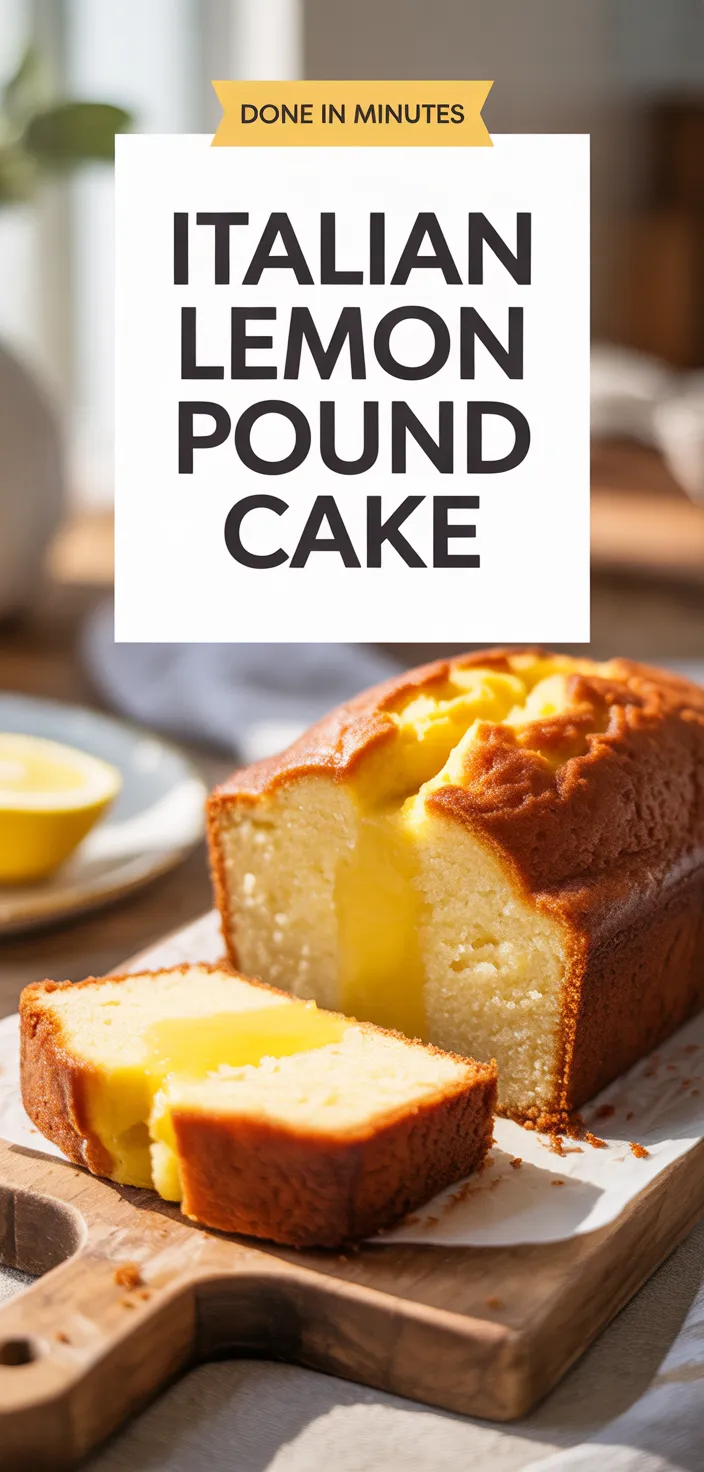
I am obsessed with this Italian Lemon Pound Cake because it hits every citrus note without being sickly sweet. I love the way real unsalted butter gives a dense, tender crumb that still feels plush and serious.
And the bright punch of fresh lemon zest snaps through every forkful, making it impossible to stop at one slice. I adore that it’s loudly lemony but balanced, not cloying.
But my favorite thing is the texture, moist, almost silky, a cake you actually want to linger with. Pure lemon intensity, but grown-up and unapologetic.
And it begs for a second slice.
Ingredients
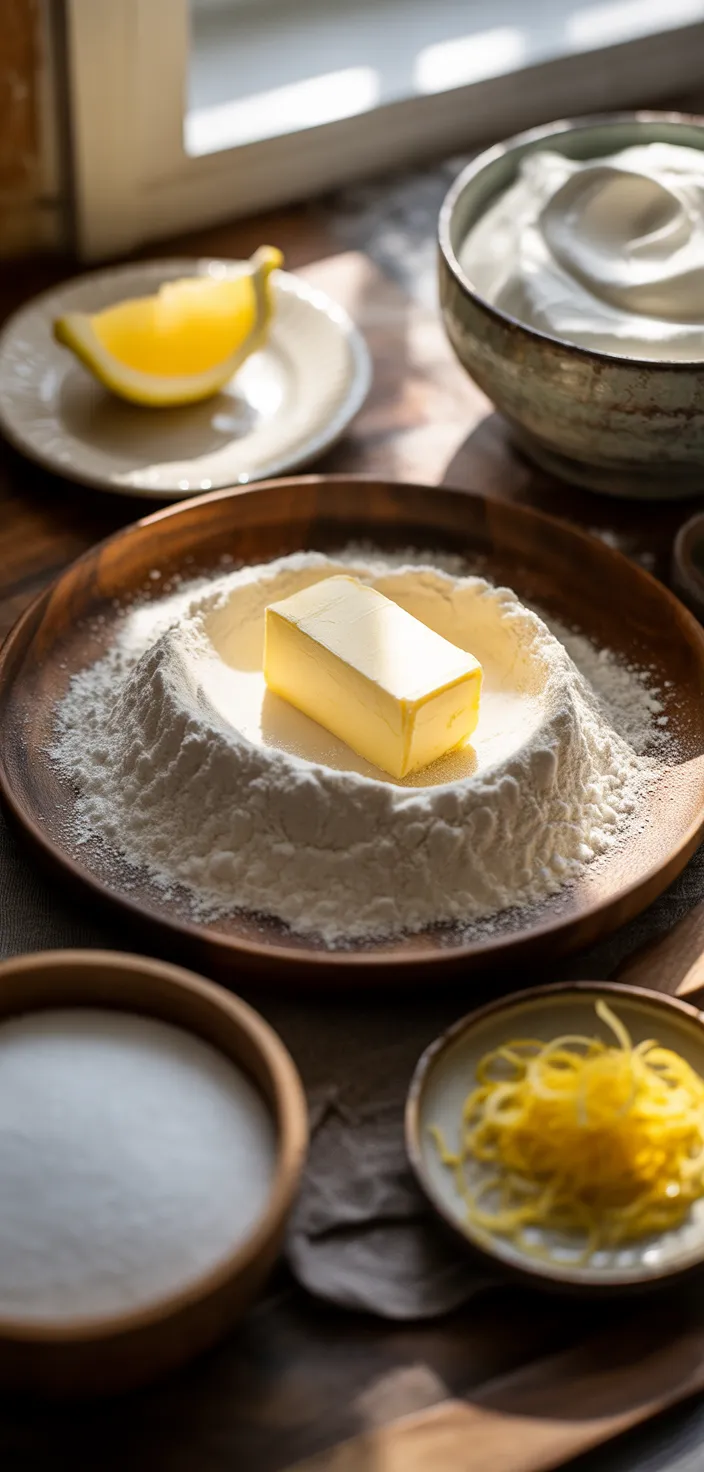
- All purpose flour: the cake’s structure, it’ll hold everything together nicely.
- Baking powder: lifts the cake, keeps it from being dense and sad.
- Fine salt: sharpens sweetness, makes the lemon pop a bit more.
- Unsalted butter: rich, creamy fat that gives a tender crumb.
- Granulated sugar: sweetens and helps brown the top just right.
- Eggs: add protein and richness, they bind the batter together.
- Fresh lemon zest: bright citrus oil, it smells like summer instantaneously.
- Fresh lemon juice: adds tang and real lemon flavor, not fake stuff.
- Sour cream or Greek yogurt: moistness and slight tang, keeps it tender.
- Vanilla extract: rounds out flavor, makes lemon taste friendlier.
- Vegetable or light olive oil: basically extra moistness without greasiness.
- Powdered sugar for glaze: sweet, silky finish that sets up nicely.
- Lemon juice for glaze: Plus, it thins the glaze and adds zing.
- Pinch of salt for glaze: balances the sweetness, tiny but important.
Ingredient Quantities
- 2 1/2 cups (325 g) all purpose flour
- 1 teaspoon baking powder
- 1/2 teaspoon fine salt
- 1 cup (2 sticks, 226 g) unsalted butter, room temperature
- 1 1/2 cups (300 g) granulated sugar
- 4 large eggs, room temperature
- 2 tablespoons fresh lemon zest (from about 2 lemons)
- 1/4 cup (60 ml) fresh lemon juice
- 1/2 cup (120 g) sour cream or plain Greek yogurt, room temperature
- 1 teaspoon vanilla extract
- 2 tablespoons vegetable oil or light olive oil (optional, for extra moistness)
- For the glaze: 1 to 1 1/2 cups (120 to 180 g) powdered sugar
- For the glaze: 2 to 3 tablespoons fresh lemon juice (adjust to desired thickness)
- For the glaze: pinch of salt
How to Make this
1. Preheat oven to 325°F (163°C). Grease and flour a 9×5 inch loaf pan or a bundt pan, or line the loaf with parchment for easy removal.
2. Whisk together 2 1/2 cups (325 g) all purpose flour, 1 teaspoon baking powder and 1/2 teaspoon fine salt in a bowl; set aside.
3. In the bowl of a mixer or with a hand mixer beat 1 cup (226 g) room temperature unsalted butter and 1 1/2 cups (300 g) granulated sugar until pale and fluffy, about 3 to 5 minutes; scrape the bowl once or twice.
4. Add the 4 large eggs one at a time, beating well after each addition so the batter doesn’t break, then stir in 2 tablespoons fresh lemon zest, 1 teaspoon vanilla extract and 1/4 cup (60 ml) fresh lemon juice.
5. Mix in 1/2 cup (120 g) sour cream or plain Greek yogurt and 2 tablespoons vegetable oil or light olive oil if using for extra moistness; mix until smooth but don’t overbeat.
6. Fold the dry ingredients into the wet in two or three additions, mixing just until combined and no big streaks of flour remain; batter should be thick and silky.
7. Scrape batter into prepared pan, smooth the top and tap the pan on the counter once to knock out big air bubbles. Bake at 325°F for 55 to 70 minutes, checking at 50 minutes; a toothpick inserted in the center should come out with a few moist crumbs but not wet batter.
8. Let cake cool in the pan for 10 to 15 minutes, then turn out onto a wire rack to cool completely before glazing; if you glaze too hot the glaze will melt and run off.
9. For the glaze whisk together 1 to 1 1/2 cups (120 to 180 g) powdered sugar with 2 to 3 tablespoons fresh lemon juice and a pinch of salt until smooth; adjust lemon to get the thickness you like, add more sugar to thicken or more juice to thin.
10. Poke the cooled cake lightly with a skewer or fork, pour or drizzle the glaze over the top and let it set 20 to 30 minutes before slicing. Store wrapped at room temp for 2 days or refrigerate up to 5 days.
Equipment Needed
1. 9×5 inch loaf pan or bundt pan, or parchment to line a loaf pan
2. Oven set to 325°F and an oven thermometer if you want to be sure it’s right
3. Large mixing bowl plus one medium bowl for dry ingredients
4. Stand mixer with paddle or a hand mixer (either works)
5. Silicone spatula and a wooden spoon for scraping and folding
6. Measuring cups and spoons and a kitchen scale for accuracy, you’ll thank me
7. Microplane zester or fine grater for the lemon zest
8. Wire cooling rack and a skewer or toothpick to test doneness
9. Small bowl and whisk or fork for the glaze
FAQ
Italian Lemon Pound Cake Recipe Substitutions and Variations
- All purpose flour: swap with a 1 to 1 gluten free baking blend for a gluten free cake, same weight (325 g), or use cake flour for a lighter crumb but use 2 tablespoons less per cup to avoid it getting too soft.
- Unsalted butter: use solid coconut oil at a 1 to 1 weight ratio (226 g), or melt and slightly cool it before mixing, or for a less coconutty flavor use neutral vegetable shortening or a mild avocado oil but expect a slightly different texture.
- Eggs: replace each large egg with a flax egg (1 tablespoon ground flax + 3 tablespoons water, let sit 5 minutes) for a vegan friendly option, or use 1/4 cup applesauce per egg if you want more moisture and less eggy taste.
- Sour cream or Greek yogurt: swap with buttermilk (about 1/2 cup) or make a quick buttermilk by adding 1/2 tablespoon lemon juice to 1/2 cup milk and letting it sit, this keeps the tang and tender crumb.
Pro Tips
1. Let everything come to room temp, seriously. Cold eggs or butter make the batter curdle and gives you a dense cake, so take things out an hour before you start. If you forget, pop eggs in warm water for 5 minutes, it helps.
2. Zest before you juice the lemons. It sounds dumb but once you squeeze you can’t get the zest back, and the zest gives way more lemon flavor than the juice. Also, lightly rub the zest into the sugar to bloom the oils, it makes the cake smell amazing.
3. Don’t overmix after adding the flour. Stir just until you don’t see big streaks of flour, otherwise the cake gets tough. If you see tiny lumps, that’s fine. Fold gently, like you’re whispering to the batter.
4. Cool fully before glazing and poke lots of little holes with a skewer if you want the glaze to sink in. If you glaze while it’s warm the glaze will run off and you’ll lose all that bright lemon punch. Store at room temp up to 2 days, but it actually tastes better on day two.
Italian Lemon Pound Cake Recipe
I found a lemon pound cake so impossibly moist and bursting with real citrus that I'll never make another lemon cake the same way again.
12
servings
435
kcal
Equipment: 1. 9×5 inch loaf pan or bundt pan, or parchment to line a loaf pan
2. Oven set to 325°F and an oven thermometer if you want to be sure it’s right
3. Large mixing bowl plus one medium bowl for dry ingredients
4. Stand mixer with paddle or a hand mixer (either works)
5. Silicone spatula and a wooden spoon for scraping and folding
6. Measuring cups and spoons and a kitchen scale for accuracy, you’ll thank me
7. Microplane zester or fine grater for the lemon zest
8. Wire cooling rack and a skewer or toothpick to test doneness
9. Small bowl and whisk or fork for the glaze
Ingredients
2 1/2 cups (325 g) all purpose flour
1 teaspoon baking powder
1/2 teaspoon fine salt
1 cup (2 sticks, 226 g) unsalted butter, room temperature
1 1/2 cups (300 g) granulated sugar
4 large eggs, room temperature
2 tablespoons fresh lemon zest (from about 2 lemons)
1/4 cup (60 ml) fresh lemon juice
1/2 cup (120 g) sour cream or plain Greek yogurt, room temperature
1 teaspoon vanilla extract
2 tablespoons vegetable oil or light olive oil (optional, for extra moistness)
For the glaze: 1 to 1 1/2 cups (120 to 180 g) powdered sugar
For the glaze: 2 to 3 tablespoons fresh lemon juice (adjust to desired thickness)
For the glaze: pinch of salt
Directions
- Preheat oven to 325°F (163°C). Grease and flour a 9×5 inch loaf pan or a bundt pan, or line the loaf with parchment for easy removal.
- Whisk together 2 1/2 cups (325 g) all purpose flour, 1 teaspoon baking powder and 1/2 teaspoon fine salt in a bowl; set aside.
- In the bowl of a mixer or with a hand mixer beat 1 cup (226 g) room temperature unsalted butter and 1 1/2 cups (300 g) granulated sugar until pale and fluffy, about 3 to 5 minutes; scrape the bowl once or twice.
- Add the 4 large eggs one at a time, beating well after each addition so the batter doesn’t break, then stir in 2 tablespoons fresh lemon zest, 1 teaspoon vanilla extract and 1/4 cup (60 ml) fresh lemon juice.
- Mix in 1/2 cup (120 g) sour cream or plain Greek yogurt and 2 tablespoons vegetable oil or light olive oil if using for extra moistness; mix until smooth but don’t overbeat.
- Fold the dry ingredients into the wet in two or three additions, mixing just until combined and no big streaks of flour remain; batter should be thick and silky.
- Scrape batter into prepared pan, smooth the top and tap the pan on the counter once to knock out big air bubbles. Bake at 325°F for 55 to 70 minutes, checking at 50 minutes; a toothpick inserted in the center should come out with a few moist crumbs but not wet batter.
- Let cake cool in the pan for 10 to 15 minutes, then turn out onto a wire rack to cool completely before glazing; if you glaze too hot the glaze will melt and run off.
- For the glaze whisk together 1 to 1 1/2 cups (120 to 180 g) powdered sugar with 2 to 3 tablespoons fresh lemon juice and a pinch of salt until smooth; adjust lemon to get the thickness you like, add more sugar to thicken or more juice to thin.
- Poke the cooled cake lightly with a skewer or fork, pour or drizzle the glaze over the top and let it set 20 to 30 minutes before slicing. Store wrapped at room temp for 2 days or refrigerate up to 5 days.
Notes
- Below you’ll find my best estimate of this recipe’s nutrition facts. Treat the numbers as a guide rather than a rule—great food should nourish both body and spirit. Figures are approximate, and the website owner assumes no liability for any inaccuracies in this recipe.
Nutrition Facts
- Serving Size: 117g
- Total number of serves: 12
- Calories: 435kcal
- Fat: 19.8g
- Saturated Fat: 10.6g
- Trans Fat: 0.57g
- Polyunsaturated: 2.1g
- Monounsaturated: 4.7g
- Cholesterol: 102.5mg
- Sodium: 164mg
- Potassium: 66mg
- Carbohydrates: 59g
- Fiber: 0.8g
- Sugar: 36g
- Protein: 5.8g
- Vitamin A: 684IU
- Vitamin C: 6.3mg
- Calcium: 29mg
- Iron: 1.3mg