
I’ve never met a frosting as silky, stable, and bakery-worthy as Swiss Meringue buttercream. One little secret makes all the difference, and it’s probably not what you think.
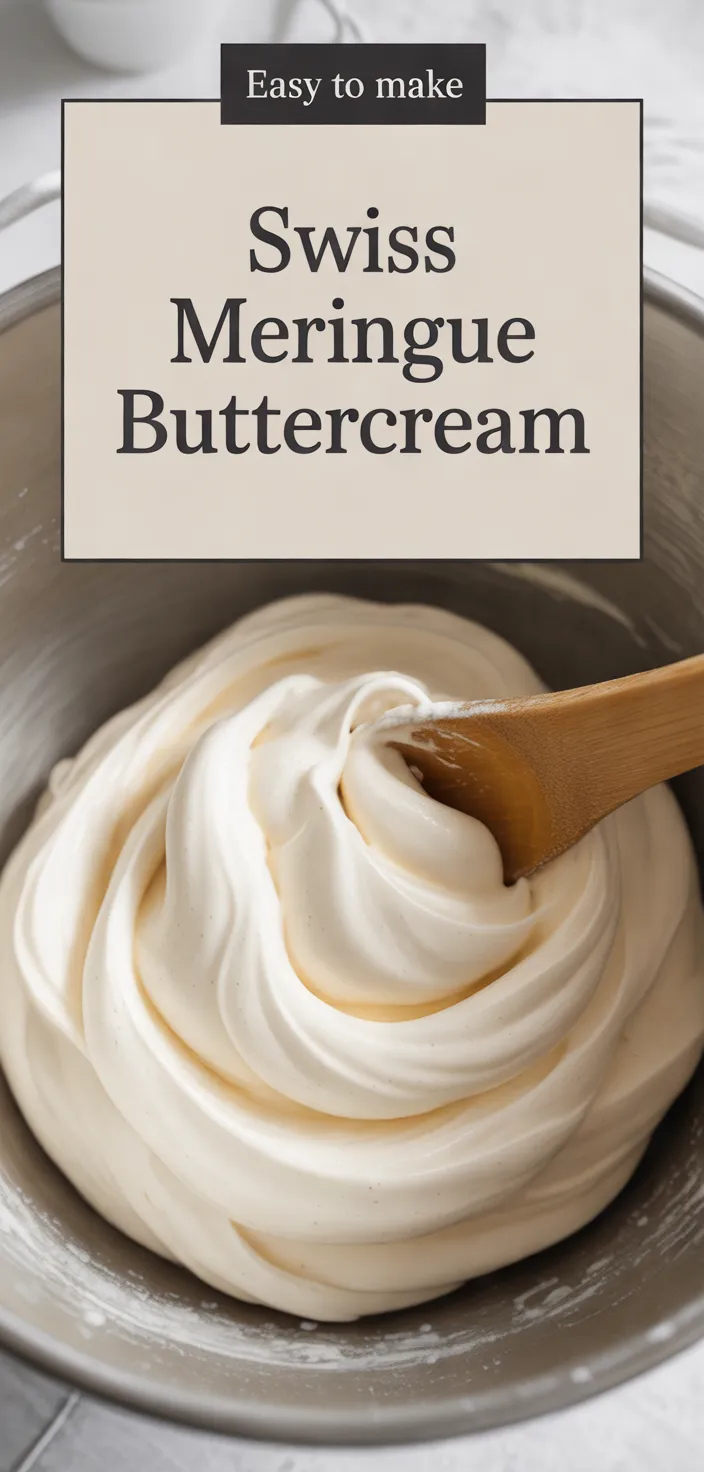
I’m obsessed with Swiss meringue buttercream because it tastes like the fancy bakery frosting I actually want to eat: silky, glossy, not tooth-achingly sweet, and ridiculously smooth on every swipe. I love how egg whites and unsalted butter turn into this lush, satin frosting that feels light but still pipes like a dream.
And the texture? Clean, creamy, totally addictive.
This is the buttercream I reach for when I want cakes and cupcakes to look polished without tasting heavy. But honestly, I’d eat it straight off the spatula.
No shame. Just that soft, buttery, melt-on-your-tongue frosting I crave every time.
Ingredients
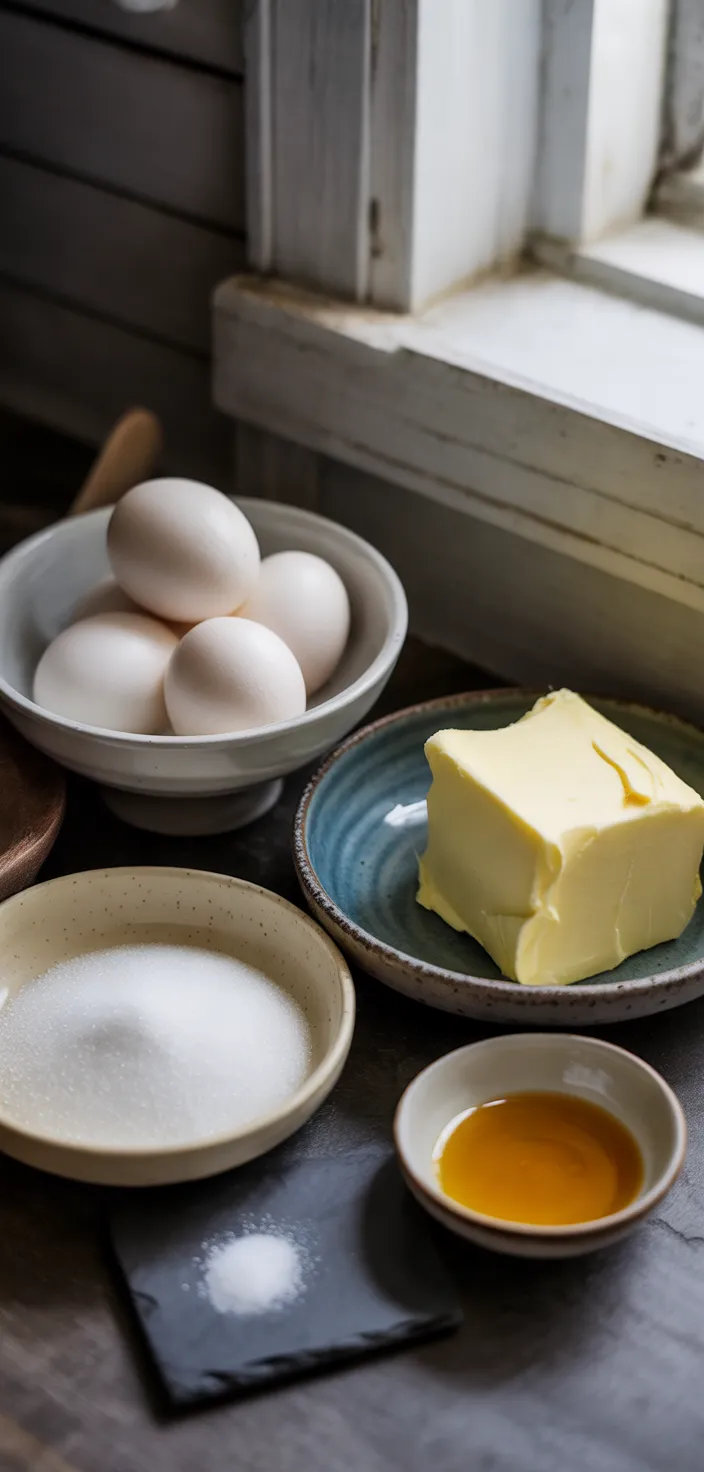
- Egg whites build that glossy, cloud-like base, without making the frosting feel heavy.
- Sugar sweetens things up and helps the meringue turn smooth, shiny, and stable.
- Salt keeps the sweetness in check, so it doesn’t taste flat or sugary.
- Vanilla brings cozy bakery flavor.
Basically, it makes everything taste more finished.
- Butter makes it creamy, rich, and silky, like frosting from a fancy cake shop.
- Plus, cream or milk loosens it up if it’s feeling too thick to spread.
Ingredient Quantities
- 4 large egg whites (about 120 g)
- 200 g granulated sugar (1 cup)
- 1 pinch fine salt (about 1/8 teaspoon)
- 1 teaspoon pure vanilla extract (5 mL)
- 340 g unsalted butter, room temperature (1 1/2 cups)
- Optional: 1 to 2 tablespoons heavy cream or whole milk for thinning (15 to 30 mL)
How to Make this
1. Combine egg whites, granulated sugar, and salt in a heatproof bowl that fits snugly over a saucepan of simmering water, whisking to blend.
2. Place the bowl over gently simmering water, making sure the bottom does not touch the water, and whisk constantly until the sugar has dissolved and the mixture reaches 160 F on an instant read thermometer or feels warm and no longer gritty between your fingers, about 4 to 6 minutes.
3. Remove the bowl from the heat and transfer the hot egg white mixture to the bowl of a stand mixer fitted with the whisk attachment or use a handheld electric mixer.
4. Whisk on medium-high speed until the meringue is glossy, thick, and has cooled to room temperature, about 8 to 12 minutes; the bowl should feel cool to the touch.
5. Meanwhile cut the room temperature butter into tablespoon-sized pieces so it is easy to incorporate.
6. With the mixer on medium speed, add the butter pieces a few at a time, waiting a few seconds between additions so they begin to incorporate. Continue until all butter is added and the mixture is smooth; if it looks curdled at any point keep beating, it will come together.
7. Add the vanilla extract and salt, then beat until fully combined and silky.
8. If the frosting is too thick, add 1 to 2 tablespoons heavy cream or whole milk, one tablespoon at a time, and beat until you reach the desired consistency.
9. Taste and adjust flavor with a pinch more salt or extra vanilla if needed, then use immediately or store in an airtight container in the refrigerator for up to one week.
10. Before using chilled buttercream, bring it back to room temperature and rewhip briefly to restore a light, fluffy texture.
Equipment Needed
1. Heatproof mixing bowl that fits snugly over a saucepan
2. Medium saucepan for simmering water
3. Instant read thermometer
4. Whisk for stovetop heating
5. Stand mixer with whisk attachment or handheld electric mixer
6. Rubber spatula for scraping and folding
7. Measuring cups and spoons
8. Small knife or bench scraper to cut the butter into pieces
9. Airtight container for storage
FAQ
How To Make Swiss Meringue Buttercream Recipe Substitutions and Variations
How To Make Swiss Meringue Buttercream
Ingredients
– 4 large egg whites (about 120 g)
– 200 g granulated sugar (1 cup)
– 1 pinch fine salt (about 1/8 teaspoon)
– 1 teaspoon pure vanilla extract (5 mL)
– 340 g unsalted butter, room temperature (1 1/2 cups)
– Optional: 1 to 2 tablespoons heavy cream or whole milk for thinning (15 to 30 mL)
Method
1. Combine egg whites, sugar, and salt in a heatproof bowl set over a pan of barely simmering water. Whisk constantly until sugar dissolves and mixture reaches about 70 to 75 C (160 to 170 F) or feels warm and no grit remains when rubbed between fingers.
2. Transfer bowl to a stand mixer fitted with the whisk attachment or use a hand mixer. Whip on medium-high until stiff, glossy meringue forms and the bowl is cool to the touch, about 8 to 12 minutes.
3. Reduce mixer speed to low and add butter, a few tablespoons at a time, allowing each addition to incorporate before adding more. If the butter softens the meringue and it looks curdled, keep beating; it will usually come together as you continue.
4. Once all butter is added, increase speed and whip until silky and smooth. Add vanilla extract and whip to combine. If needed, add 1 to 2 tablespoons heavy cream or milk to loosen the buttercream to your desired consistency.
5. Use immediately or refrigerate. If chilled, bring to room temperature and rewhip briefly before using.
Substitutions
- Egg whites: use pasteurized liquid egg whites 1:1 by weight, or for a vegan option try aquafaba but expect a slightly different texture and flavor
- Granulated sugar: use caster or superfine sugar for faster dissolving and a smoother meringue
- Unsalted butter: swap for European style butter for a richer flavor, or use a high quality vegan stick butter for a dairy free version
- Vanilla extract: replace with almond extract, lemon or orange zest, or 1 teaspoon flavor paste for different flavor profiles
Pro Tips
1. Heat the egg white mixture gently and aim for 160 F on the thermometer for food safety. If you do not have a thermometer, test by rubbing a small amount between clean fingers until the sugar dissolves and it no longer feels grainy. Gentle heat prevents scrambled whites and keeps the meringue smooth.
2. Let the meringue cool completely before adding butter. The bowl should feel room temperature to the touch; if it is even slightly warm the butter will melt and the buttercream will be greasy instead of light and airy.
3. Cut the butter into small, even pieces and add it in batches while the mixer runs on medium speed. If the mixture looks curdled or soupy, keep mixing—patience usually fixes it as long as temperatures are balanced. If it refuses to come together, chill the bowl briefly for 5 to 10 minutes, then rewhip.
4. For extra stability in warm conditions, refrigerate the finished buttercream briefly to firm it, then rewhip before decorating. If you need a looser consistency for piping or spreading, add cream or milk one teaspoon at a time until you reach the texture you want.
5. Flavor boost: bloom the vanilla in a teaspoon of warm cream or swap half the vanilla for a high quality paste or extract for more pronounced flavor. A tiny extra pinch of salt at the end sharpens the sweetness and brings out the vanilla.
How To Make Swiss Meringue Buttercream Recipe
I’ve never met a frosting as silky, stable, and bakery-worthy as Swiss Meringue buttercream. One little secret makes all the difference, and it’s probably not what you think.
12
servings
273
kcal
Equipment: 1. Heatproof mixing bowl that fits snugly over a saucepan
2. Medium saucepan for simmering water
3. Instant read thermometer
4. Whisk for stovetop heating
5. Stand mixer with whisk attachment or handheld electric mixer
6. Rubber spatula for scraping and folding
7. Measuring cups and spoons
8. Small knife or bench scraper to cut the butter into pieces
9. Airtight container for storage
Ingredients
4 large egg whites (about 120 g)
200 g granulated sugar (1 cup)
1 pinch fine salt (about 1/8 teaspoon)
1 teaspoon pure vanilla extract (5 mL)
340 g unsalted butter, room temperature (1 1/2 cups)
Optional: 1 to 2 tablespoons heavy cream or whole milk for thinning (15 to 30 mL)
Directions
- Combine egg whites, granulated sugar, and salt in a heatproof bowl that fits snugly over a saucepan of simmering water, whisking to blend.
- Place the bowl over gently simmering water, making sure the bottom does not touch the water, and whisk constantly until the sugar has dissolved and the mixture reaches 160 F on an instant read thermometer or feels warm and no longer gritty between your fingers, about 4 to 6 minutes.
- Remove the bowl from the heat and transfer the hot egg white mixture to the bowl of a stand mixer fitted with the whisk attachment or use a handheld electric mixer.
- Whisk on medium-high speed until the meringue is glossy, thick, and has cooled to room temperature, about 8 to 12 minutes; the bowl should feel cool to the touch.
- Meanwhile cut the room temperature butter into tablespoon-sized pieces so it is easy to incorporate.
- With the mixer on medium speed, add the butter pieces a few at a time, waiting a few seconds between additions so they begin to incorporate. Continue until all butter is added and the mixture is smooth; if it looks curdled at any point keep beating, it will come together.
- Add the vanilla extract and salt, then beat until fully combined and silky.
- If the frosting is too thick, add 1 to 2 tablespoons heavy cream or whole milk, one tablespoon at a time, and beat until you reach the desired consistency.
- Taste and adjust flavor with a pinch more salt or extra vanilla if needed, then use immediately or store in an airtight container in the refrigerator for up to one week.
- Before using chilled buttercream, bring it back to room temperature and rewhip briefly to restore a light, fluffy texture.
Notes
- Below you’ll find my best estimate of this recipe’s nutrition facts. Treat the numbers as a guide rather than a rule—great food should nourish both body and spirit. Figures are approximate, and the website owner assumes no liability for any inaccuracies in this recipe.
Nutrition Facts
- Serving Size: 55g
- Total number of serves: 12
- Calories: 273kcal
- Fat: 23g
- Saturated Fat: 14.5g
- Trans Fat: 0.85g
- Polyunsaturated: 0.85g
- Monounsaturated: 6g
- Cholesterol: 61mg
- Sodium: 44mg
- Potassium: 23mg
- Carbohydrates: 16.7g
- Fiber: 0g
- Sugar: 16.7g
- Protein: 1.2g
- Vitamin A: 194IU
- Vitamin C: 0mg
- Calcium: 7.7mg
- Iron: 0.008mg