
I baked this Ridiculously Easy Focaccia Bread and it turned out impossibly soft with a blistered, olive-oil slick crust you have to see to believe.
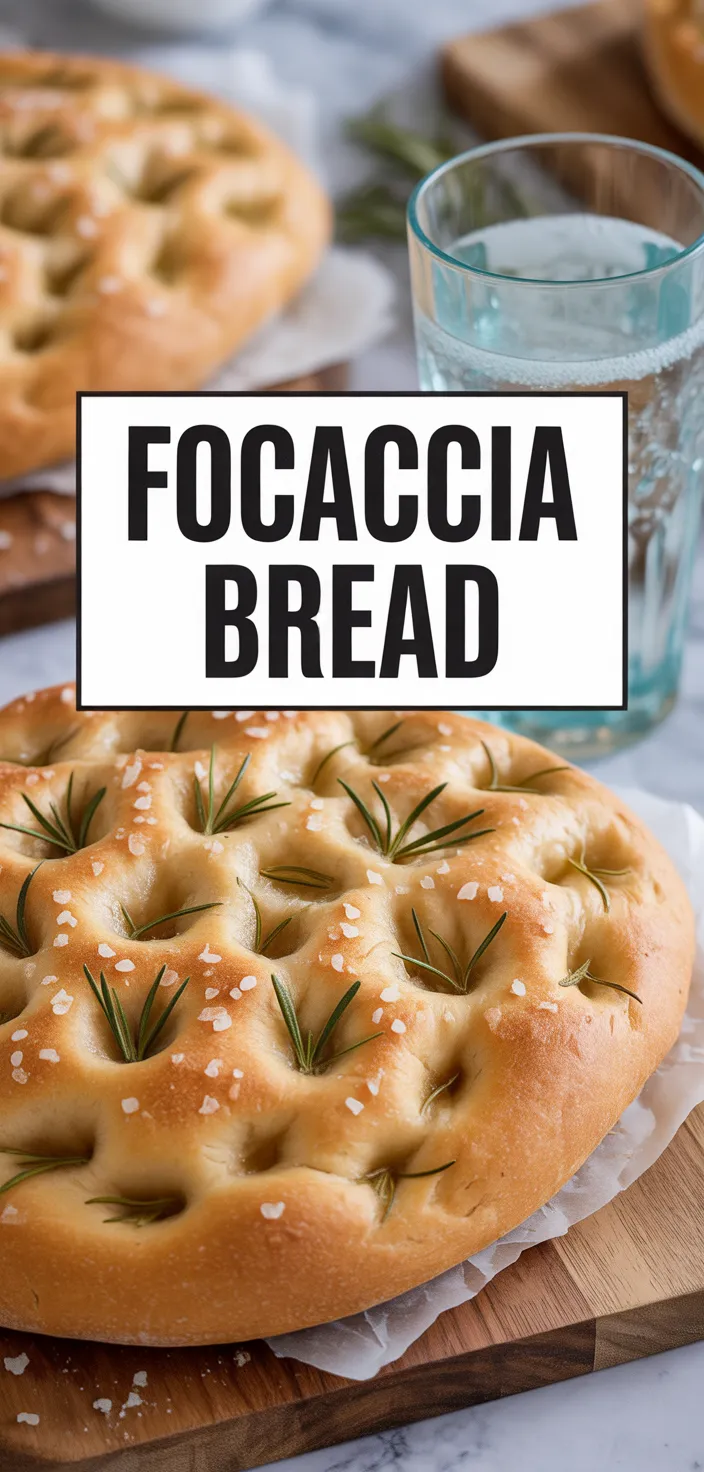
I can’t shut up about this Easy Homemade Focaccia Bread because it tastes like real bread should, airy and pillowy with a salty crust. I adore that crusty top dotted with coarse sea salt or flaky salt for the top and little crackly bits that crackle.
But it’s the way the crumbs pull apart that gets me every time. This Focaccia Bread Recipe makes my house smell like someone actually knows how to bake, without me having to pretend.
I want it for breakfast, for midnight snacks, for sandwich experiments. Obsessed.
Totally obsessed. No fancy nonsense here.
I want more.
Ingredients
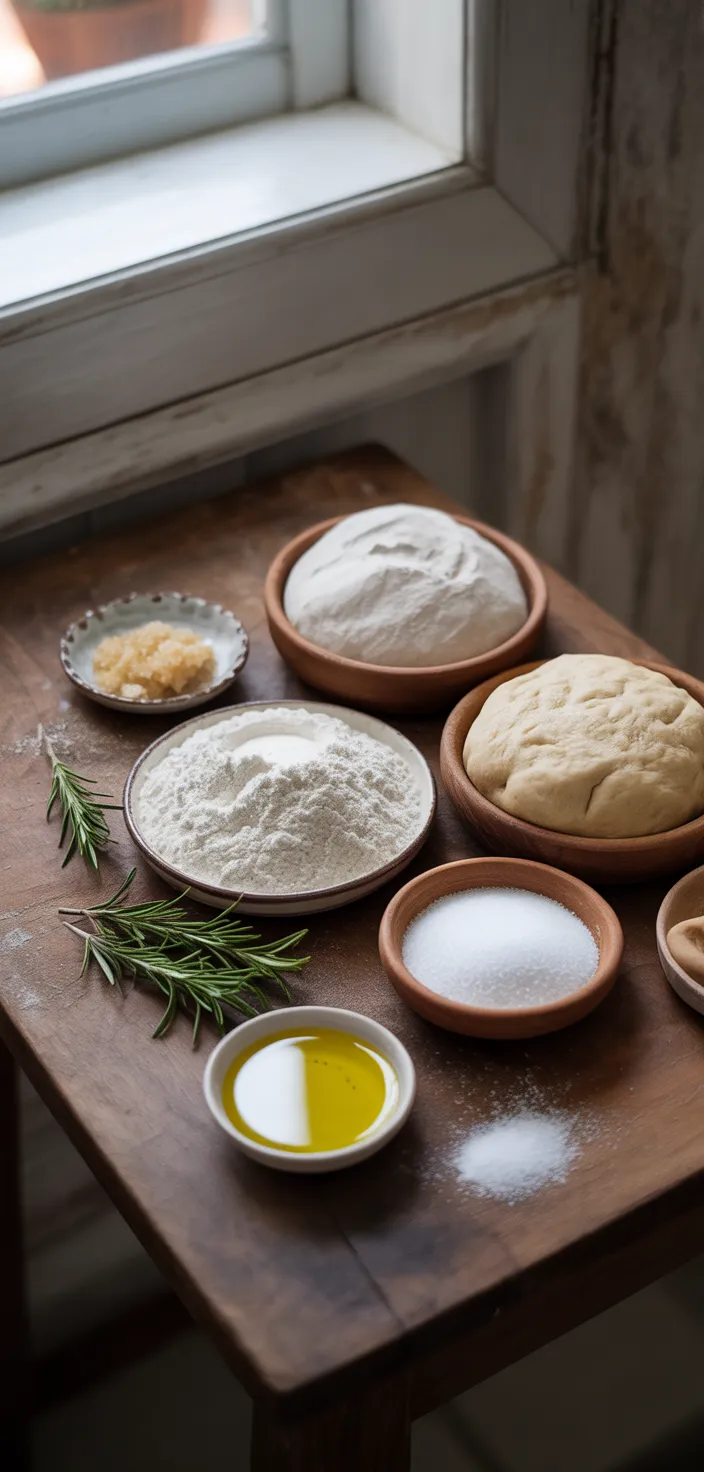
- All purpose flour: Basically it’s the dough’s backbone, gives chew and structure.
- Fine sea salt: Brings subtle taste throughout, makes other flavors pop.
- Instant yeast: It’s the air-maker, gives lightness and that airy crumb.
- Granulated sugar: Adds mild sweetness and feeds the yeast for rise.
- Warm water: Helps the yeast wake up and makes the dough workable.
- Extra virgin olive oil (dough): Adds silkiness, moisture, and gentle richness.
- Extra olive oil (pan/drizzle): Plus it crisps edges and gives glossy finish.
- Coarse or flaky salt (top): Crunchy bursts of saltiness on every bite.
- Fresh rosemary: Basically aromatic herb that smells amazing and pairs with olive oil.
Ingredient Quantities
- 3 cups (about 360 g) all purpose flour
- 1 1/2 teaspoons fine sea salt
- 1 teaspoon instant yeast
- 1 tablespoon granulated sugar
- 1 1/4 cups (about 300 ml) warm water, around 100 to 110 F
- 2 tablespoons extra virgin olive oil for the dough
- 1 to 2 tablespoons extra olive oil for the pan and to drizzle
- 1 to 2 teaspoons coarse sea salt or flaky salt for the top
- 2 tablespoons fresh rosemary leaves, chopped, optional but classic
How to Make this
1. In a large bowl whisk together 3 cups (360 g) all purpose flour, 1 1/2 teaspoons fine sea salt, 1 teaspoon instant yeast and 1 tablespoon granulated sugar so it’s evenly mixed.
2. Add 1 1/4 cups (300 ml) warm water (about 100 to 110 F) and 2 tablespoons extra virgin olive oil to the dry mix and stir with a wooden spoon until a wet, shaggy sticky dough forms. Don’t fuss with it, it should be loose.
3. Lightly oil the same bowl with a bit of olive oil, drop the dough in, turn to coat so the top is oily, cover with plastic wrap or a towel and let sit at room temp until doubled in size, about 1 to 2 hours depending on your kitchen.
4. Once doubled, gently stretch and fold the dough in the bowl a couple times to deflate slightly, it will still be sticky. Let it rest 10 minutes if it resists shaping.
5. Pour 1 to 2 tablespoons extra olive oil into a 9×13 inch or similar pan and rub it around so the bottom and sides are well coated. Transfer the dough into the oiled pan, using oiled hands to spread it to the corners as best you can. If it fights you, let it rest 10 more minutes and try again.
6. Cover the pan and let the dough proof for another 20 to 30 minutes until puffy. Preheat your oven to 425 F about 15 minutes before baking.
7. After proofing, use your fingers to press deep dimples all over the top of the dough. Drizzle another 1 to 2 tablespoons olive oil over the surface so it pools in the dimples.
8. Sprinkle 1 to 2 teaspoons coarse sea salt or flaky salt over the top and scatter 2 tablespoons chopped fresh rosemary if using. Press the rosemary and salt lightly into the dough so they stick.
9. Bake in the preheated oven at 425 F for 20 to 25 minutes until the focaccia is golden brown and sounds hollow when tapped. Rotate the pan halfway if your oven has hot spots.
10. Remove from the oven, let cool in the pan 5 to 10 minutes, then transfer to a rack to cool a bit more before slicing. Best eaten warm. If you want extra flavor, drizzle a little more good olive oil before serving.
Equipment Needed
1. Large mixing bowl
2. Whisk
3. Wooden spoon or sturdy spatula
4. Measuring cups and spoons
5. Instant-read thermometer (for checking water temperature)
6. 9×13 inch baking pan (or similar)
7. Plastic wrap or clean kitchen towel
8. Cooling rack and oven mitts
FAQ
Focaccia Bread Recipe Substitutions and Variations
- Flour swap: use bread flour 1:1 for a chewier, taller crumb, or up to half whole wheat (start with 25% whole wheat or it gets heavy). For gluten free use a 1:1 all purpose GF blend that contains xanthan gum, you might need a bit more water.
- Yeast swap: active dry yeast works fine but proof it in the warm water for 5 to 10 minutes until foamy, same amount. If using rapid rise use the same amount but expect faster first rise so keep an eye on it.
- Sugar swap: honey or maple syrup can replace granulated sugar at about 3/4 the volume (1 tbsp sugar = about 3/4 tbsp honey), reduce the warm water by roughly 1 to 2 teaspoons to account for extra liquid.
- Rosemary swap: fresh thyme or oregano give a similar savory note, or press thinly sliced olives or halved cherry tomatoes into the dough for a different, tasty topping.
Pro Tips
1. Let the dough be wet and sticky, don’t try to make it neat. Wet dough = big open holes. Use oiled hands when spreading it in the pan, and if it fights you, let it rest 10 minutes and try again. Too much poking will knock the air out.
2. Watch proofing more than clocking it. If your kitchen is cold it can take 2 hours or more, if warm it might be done fast. Judge by size not time, it should roughly double and feel pillowy. Overproofing will make it collapse in the oven so don’t leave it forever.
3. Use plenty of oil in the pan and on top. Oil in the dimples helps create crisp golden pools and keeps the crumb moist. If you want extra flavor, use part regular olive oil and part a fruity or peppery one for the final drizzle.
4. Salt and rosemary matter. Sprinkle flaky salt after dimpling so it stays on top, and press the rosemary in lightly so it won’t burn off. Let the focaccia cool a bit in the pan, 5 to 10 minutes, then transfer to a rack so the bottom stays crisp instead of soggy.
Focaccia Bread Recipe
I baked this Ridiculously Easy Focaccia Bread and it turned out impossibly soft with a blistered, olive-oil slick crust you have to see to believe.
8
servings
222
kcal
Equipment: 1. Large mixing bowl
2. Whisk
3. Wooden spoon or sturdy spatula
4. Measuring cups and spoons
5. Instant-read thermometer (for checking water temperature)
6. 9×13 inch baking pan (or similar)
7. Plastic wrap or clean kitchen towel
8. Cooling rack and oven mitts
Ingredients
3 cups (about 360 g) all purpose flour
1 1/2 teaspoons fine sea salt
1 teaspoon instant yeast
1 tablespoon granulated sugar
1 1/4 cups (about 300 ml) warm water, around 100 to 110 F
2 tablespoons extra virgin olive oil for the dough
1 to 2 tablespoons extra olive oil for the pan and to drizzle
1 to 2 teaspoons coarse sea salt or flaky salt for the top
2 tablespoons fresh rosemary leaves, chopped, optional but classic
Directions
- In a large bowl whisk together 3 cups (360 g) all purpose flour, 1 1/2 teaspoons fine sea salt, 1 teaspoon instant yeast and 1 tablespoon granulated sugar so it's evenly mixed.
- Add 1 1/4 cups (300 ml) warm water (about 100 to 110 F) and 2 tablespoons extra virgin olive oil to the dry mix and stir with a wooden spoon until a wet, shaggy sticky dough forms. Don’t fuss with it, it should be loose.
- Lightly oil the same bowl with a bit of olive oil, drop the dough in, turn to coat so the top is oily, cover with plastic wrap or a towel and let sit at room temp until doubled in size, about 1 to 2 hours depending on your kitchen.
- Once doubled, gently stretch and fold the dough in the bowl a couple times to deflate slightly, it will still be sticky. Let it rest 10 minutes if it resists shaping.
- Pour 1 to 2 tablespoons extra olive oil into a 9×13 inch or similar pan and rub it around so the bottom and sides are well coated. Transfer the dough into the oiled pan, using oiled hands to spread it to the corners as best you can. If it fights you, let it rest 10 more minutes and try again.
- Cover the pan and let the dough proof for another 20 to 30 minutes until puffy. Preheat your oven to 425 F about 15 minutes before baking.
- After proofing, use your fingers to press deep dimples all over the top of the dough. Drizzle another 1 to 2 tablespoons olive oil over the surface so it pools in the dimples.
- Sprinkle 1 to 2 teaspoons coarse sea salt or flaky salt over the top and scatter 2 tablespoons chopped fresh rosemary if using. Press the rosemary and salt lightly into the dough so they stick.
- Bake in the preheated oven at 425 F for 20 to 25 minutes until the focaccia is golden brown and sounds hollow when tapped. Rotate the pan halfway if your oven has hot spots.
- Remove from the oven, let cool in the pan 5 to 10 minutes, then transfer to a rack to cool a bit more before slicing. Best eaten warm. If you want extra flavor, drizzle a little more good olive oil before serving.
Notes
- Below you’ll find my best estimate of this recipe’s nutrition facts. Treat the numbers as a guide rather than a rule—great food should nourish both body and spirit. Figures are approximate, and the website owner assumes no liability for any inaccuracies in this recipe.
Nutrition Facts
- Serving Size: 92.2g
- Total number of serves: 8
- Calories: 222kcal
- Fat: 6.36g
- Saturated Fat: 0.9g
- Trans Fat: 0g
- Polyunsaturated: 0.65g
- Monounsaturated: 4.31g
- Cholesterol: 0mg
- Sodium: 862.5mg
- Potassium: 55.6mg
- Carbohydrates: 35.76g
- Fiber: 1.22g
- Sugar: 1.75g
- Protein: 4.5g
- Vitamin A: 0IU
- Vitamin C: 0.5mg
- Calcium: 11mg
- Iron: 0.66mg