
I just perfected my Chewy Oatmeal Cookies Recipe and the result is impossibly soft, outrageously chewy cookies that people actually beg me to bring.
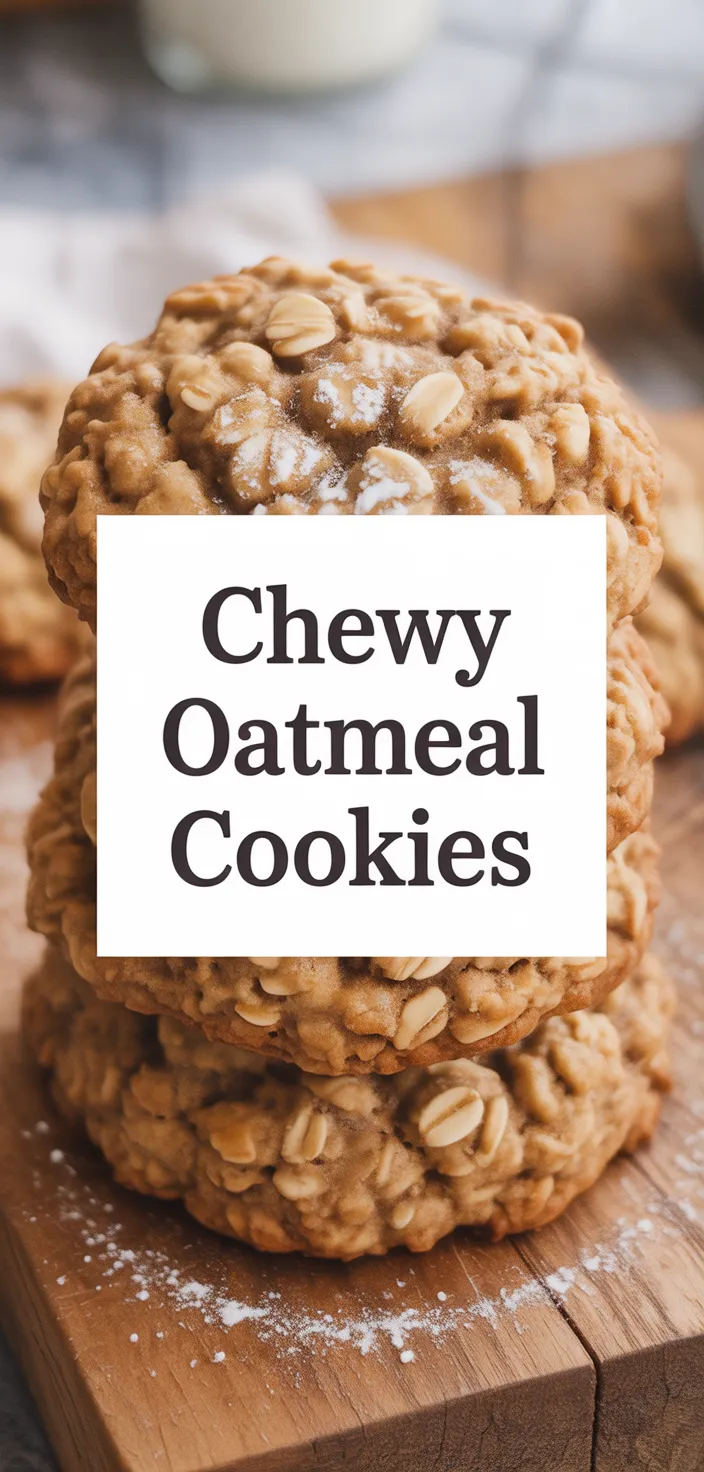
I’m obsessed with my Chewy Oatmeal Cookies Recipe because every bite hits like nostalgia and rebellion rolled into a crumb. I love that the center stays utterly Soft Oatmeal Cookies style while the edges get a little crisp.
No fluff, just hearty oats and a butter-forward punch from unsalted butter that makes them almost fudge-like. Raisins or chocolate chips?
Your call. I bake these when I need something honest and snackable.
They’re messy, comforting without being saccharine, and disappear fast. Seriously, once you try them you’ll start hoarding the pan.
And I eat half batch while pretending self restraint exists.
Ingredients
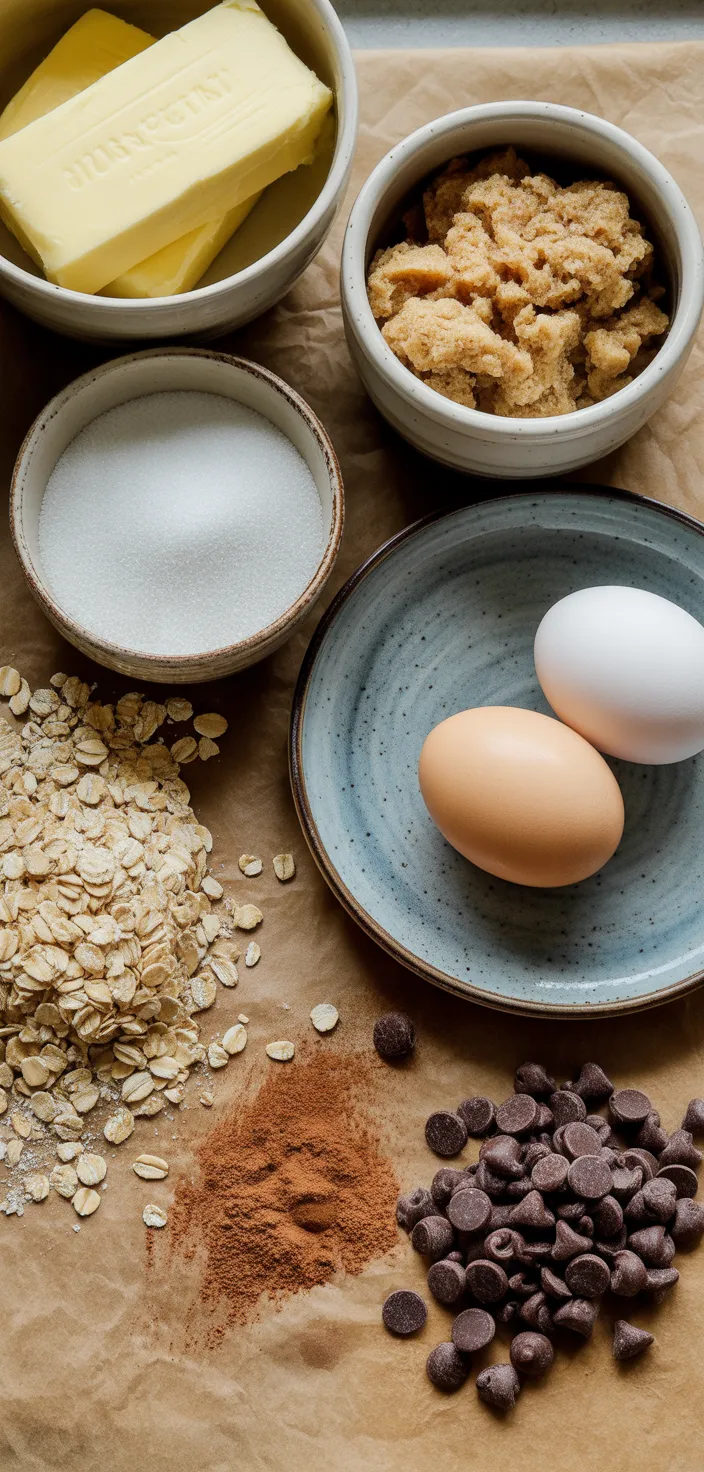
- Butter: Basically the backbone — makes cookies rich and tender, not greasy if softened.
- Brown sugar: Adds chew and that molasses-y sweetness you’ll crave.
- Granulated sugar: Gives mild crisp edges and balances the brown sugar’s stickiness.
- Eggs: Binds everything together and makes the dough chewy and a bit puffy.
- Vanilla extract: Adds warmth and rounds out the sugars, subtle but important.
- All purpose flour: Gives structure so cookies hold up without being cakey.
- Baking soda: Helps spread and gives just enough lift, keeping texture light.
- Cinnamon: Adds cozy spice, makes everything taste like fall in a bite.
- Fine salt: Enhances sweetness and keeps the flavors from tasting flat.
- Rolled oats: The chew and whole-grain vibe, not pretending to be healthy.
- Mix ins: Chocolate, raisins or nuts — pick your mood and go wild.
- Chopped walnuts or pecans: Crunch and toasty fat, great contrast to chew.
- Raisins or dried cranberries: Little pockets of tart sweetness, chewy and fun.
- Molasses: Plus a deeper, almost smoky sweetness if you want more depth.
Ingredient Quantities
- 1 cup (226 g) unsalted butter, softened, not melted
- 1 cup (220 g) packed light brown sugar
- 1/2 cup (100 g) granulated sugar
- 2 large eggs, room temp
- 1 teaspoon vanilla extract
- 1 1/2 cups (190 g) all purpose flour
- 1 teaspoon baking soda
- 1 teaspoon ground cinnamon
- 1/2 teaspoon fine salt
- 3 cups (240 g) old fashioned rolled oats
- 1 to 1 1/2 cups (150 to 225 g) mix ins: chocolate chips, raisins, or chopped nuts, your call
- Optional 1/2 cup (50 g) chopped walnuts or pecans
- Optional 1/2 cup (80 g) raisins or dried cranberries
- Optional 1 tablespoon molasses for deeper flavor
How to Make this
1. Preheat oven to 350°F (175°C). Line baking sheets with parchment paper or silicone mats and set aside.
2. In a large bowl cream 1 cup softened unsalted butter with 1 cup packed light brown sugar and 1/2 cup granulated sugar until fluffy, about 2 to 3 minutes; you can use a hand mixer or stand mixer. Scrape sides, it matters.
3. Beat in 2 room temperature eggs one at a time, then stir in 1 teaspoon vanilla and the optional 1 tablespoon molasses if you want deeper flavor.
4. In another bowl whisk together 1 1/2 cups all purpose flour, 1 teaspoon baking soda, 1 teaspoon ground cinnamon and 1/2 teaspoon fine salt. This keeps lumps out and spreads the soda evenly.
5. Gradually add the dry mix to the butter mixture and mix just until combined. Do not overmix, you want tender cookies not hockey pucks.
6. Fold in 3 cups old fashioned rolled oats and 1 to 1 1/2 cups mix ins of your choice: chocolate chips, raisins, or chopped nuts. If using raisins or dried cranberries, consider the optional 1/2 cup for extra chew. If using walnuts or pecans add up to 1/2 cup chopped.
7. For uniformly sized cookies scoop dough with a medium cookie scoop (about 2 tablespoons) for standard cookies, or larger if you like bakery style. Place scoops 2 inches apart for small cookies, 3 inches for larger ones. Slightly press tops if you want flatter cookies.
8. Optional but recommended: chill the scooped dough 20 to 30 minutes in the fridge to prevent excessive spreading and deepen flavor. If short on time skip chilling but check baking time.
9. Bake for 9 to 11 minutes for smaller cookies or 12 to 15 minutes for larger ones, until edges are set and centers look slightly underbaked. They firm up while cooling. Rotate the pans halfway for even baking.
10. Let cookies cool on the sheet 5 minutes then transfer to a wire rack to cool completely. Store in an airtight container with a slice of bread to keep them soft, or freeze baked or unbaked dough for later.
Equipment Needed
1. Oven (preheat to 350°F) — sorry, scratch that, preheat oven to 350°F
2. 2 baking sheets lined with parchment paper or silicone mats
3. Large mixing bowl and a second smaller bowl for dry ingredients
4. Hand mixer or stand mixer, or a sturdy wooden spoon if you’re lazy
5. Measuring cups and spoons (cup measures for flour/oats, tsp/tbsp for baking soda, cinnamon, vanilla)
6. Rubber spatula for scraping the bowl, it really matters
7. Whisk for the dry ingredients to keep lumps out
8. Medium cookie scoop (about 2 tablespoons) or a spoon for scooping dough
9. Wire cooling rack and an airtight container or freezer bags for storage
FAQ
Chewy & Soft Oatmeal Cookies Recipe Substitutions and Variations
- Unsalted butter: swap for 1 cup solid coconut oil or 1 cup vegan buttery spread. Cookies will be a bit more tender and slightly coconutty if you use coconut oil; chill dough a little longer so they hold shape better.
- Light brown sugar: use 1:1 coconut sugar or 3/4 cup maple syrup plus reduce other liquid by 3 tablespoons. Coconut sugar gives a less sticky, slightly caramel note; maple syrup makes cookies a bit softer and chewier.
- 2 large eggs: use flax “eggs” for a vegan option, mix 1 tablespoon ground flaxseed with 3 tablespoons water per egg, let thicken 5 minutes. Texture is a bit denser and chewier, but they hold together fine.
- All purpose flour: replace with a 1:1 gluten free all-purpose flour blend or whole wheat pastry flour 1:1. Gluten free blend keeps texture most similar; whole wheat pastry adds nuttiness and a touch more chew, might need an extra minute baking.
Pro Tips
1) Chill the scooped dough at least 20 minutes when you can. It’ll stop the cookies from spreading too thin and the flavors deepen. If you’re impatient, 10 minutes still helps, but don’t skip it every time.
2) Toast the nuts and dry fruit briefly in a skillet or oven before adding them. It brings out a lot more flavor and crunch. Let them cool first so they don’t melt the butter in the dough.
3) Measure flour by spooning it into the cup and leveling it off, do not pack it. Too much flour makes dry, tough cookies. Same for the oats: use old fashioned rolled oats, not quick oats, for better texture.
4) Pull the cookies from the oven when the edges are set but centers still look a little soft. They keep cooking on the hot sheet and you’ll end up with a tender chewy middle instead of overbaked rocks.
Chewy & Soft Oatmeal Cookies Recipe
I just perfected my Chewy Oatmeal Cookies Recipe and the result is impossibly soft, outrageously chewy cookies that people actually beg me to bring.
24
servings
222
kcal
Equipment: 1. Oven (preheat to 350°F) — sorry, scratch that, preheat oven to 350°F
2. 2 baking sheets lined with parchment paper or silicone mats
3. Large mixing bowl and a second smaller bowl for dry ingredients
4. Hand mixer or stand mixer, or a sturdy wooden spoon if you’re lazy
5. Measuring cups and spoons (cup measures for flour/oats, tsp/tbsp for baking soda, cinnamon, vanilla)
6. Rubber spatula for scraping the bowl, it really matters
7. Whisk for the dry ingredients to keep lumps out
8. Medium cookie scoop (about 2 tablespoons) or a spoon for scooping dough
9. Wire cooling rack and an airtight container or freezer bags for storage
Ingredients
1 cup (226 g) unsalted butter, softened, not melted
1 cup (220 g) packed light brown sugar
1/2 cup (100 g) granulated sugar
2 large eggs, room temp
1 teaspoon vanilla extract
1 1/2 cups (190 g) all purpose flour
1 teaspoon baking soda
1 teaspoon ground cinnamon
1/2 teaspoon fine salt
3 cups (240 g) old fashioned rolled oats
1 to 1 1/2 cups (150 to 225 g) mix ins: chocolate chips, raisins, or chopped nuts, your call
Optional 1/2 cup (50 g) chopped walnuts or pecans
Optional 1/2 cup (80 g) raisins or dried cranberries
Optional 1 tablespoon molasses for deeper flavor
Directions
- Preheat oven to 350°F (175°C). Line baking sheets with parchment paper or silicone mats and set aside.
- In a large bowl cream 1 cup softened unsalted butter with 1 cup packed light brown sugar and 1/2 cup granulated sugar until fluffy, about 2 to 3 minutes; you can use a hand mixer or stand mixer. Scrape sides, it matters.
- Beat in 2 room temperature eggs one at a time, then stir in 1 teaspoon vanilla and the optional 1 tablespoon molasses if you want deeper flavor.
- In another bowl whisk together 1 1/2 cups all purpose flour, 1 teaspoon baking soda, 1 teaspoon ground cinnamon and 1/2 teaspoon fine salt. This keeps lumps out and spreads the soda evenly.
- Gradually add the dry mix to the butter mixture and mix just until combined. Do not overmix, you want tender cookies not hockey pucks.
- Fold in 3 cups old fashioned rolled oats and 1 to 1 1/2 cups mix ins of your choice: chocolate chips, raisins, or chopped nuts. If using raisins or dried cranberries, consider the optional 1/2 cup for extra chew. If using walnuts or pecans add up to 1/2 cup chopped.
- For uniformly sized cookies scoop dough with a medium cookie scoop (about 2 tablespoons) for standard cookies, or larger if you like bakery style. Place scoops 2 inches apart for small cookies, 3 inches for larger ones. Slightly press tops if you want flatter cookies.
- Optional but recommended: chill the scooped dough 20 to 30 minutes in the fridge to prevent excessive spreading and deepen flavor. If short on time skip chilling but check baking time.
- Bake for 9 to 11 minutes for smaller cookies or 12 to 15 minutes for larger ones, until edges are set and centers look slightly underbaked. They firm up while cooling. Rotate the pans halfway for even baking.
- Let cookies cool on the sheet 5 minutes then transfer to a wire rack to cool completely. Store in an airtight container with a slice of bread to keep them soft, or freeze baked or unbaked dough for later.
Notes
- Below you’ll find my best estimate of this recipe’s nutrition facts. Treat the numbers as a guide rather than a rule—great food should nourish both body and spirit. Figures are approximate, and the website owner assumes no liability for any inaccuracies in this recipe.
Nutrition Facts
- Serving Size: 51g
- Total number of serves: 24
- Calories: 222kcal
- Fat: 10.5g
- Saturated Fat: 6g
- Trans Fat: 0.03g
- Polyunsaturated: 1.04g
- Monounsaturated: 2.5g
- Cholesterol: 36mg
- Sodium: 109mg
- Potassium: 64mg
- Carbohydrates: 29.7g
- Fiber: 1.6g
- Sugar: 16.5g
- Protein: 3.4g
- Vitamin A: 87IU
- Vitamin C: 0mg
- Calcium: 14mg
- Iron: 0.74mg