
As a professional food blogger, I finally cracked the code for pie crust from scratch with one simple trick that makes rolling and shaping far less intimidating.
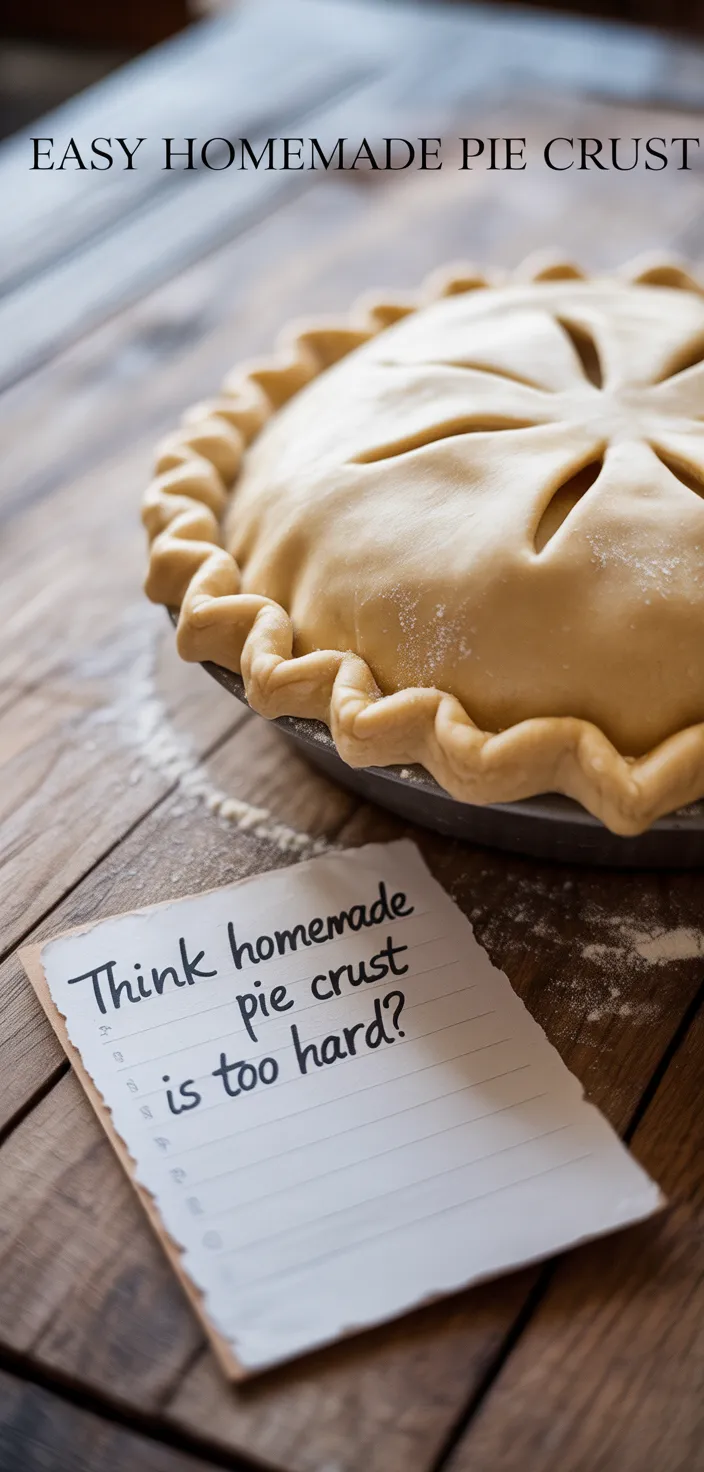
I used to bail on baking because crust felt like math class, but this Easy Homemade Pie Crust From Scratch got me hooked. With nothing fancy, just all-purpose flour and very cold unsalted butter, I figured out a quick way that actually flakes and browns like a pro, not like the sad store-bought stuff.
This Pie Crust From Scratch became my secret for the best Apple Pie Crust when I want something that looks impressive but doesn’t take all day. You’ll want to try it, mess up once or twice, and then be surprised that it still turns out amazing, every time.
Ingredients
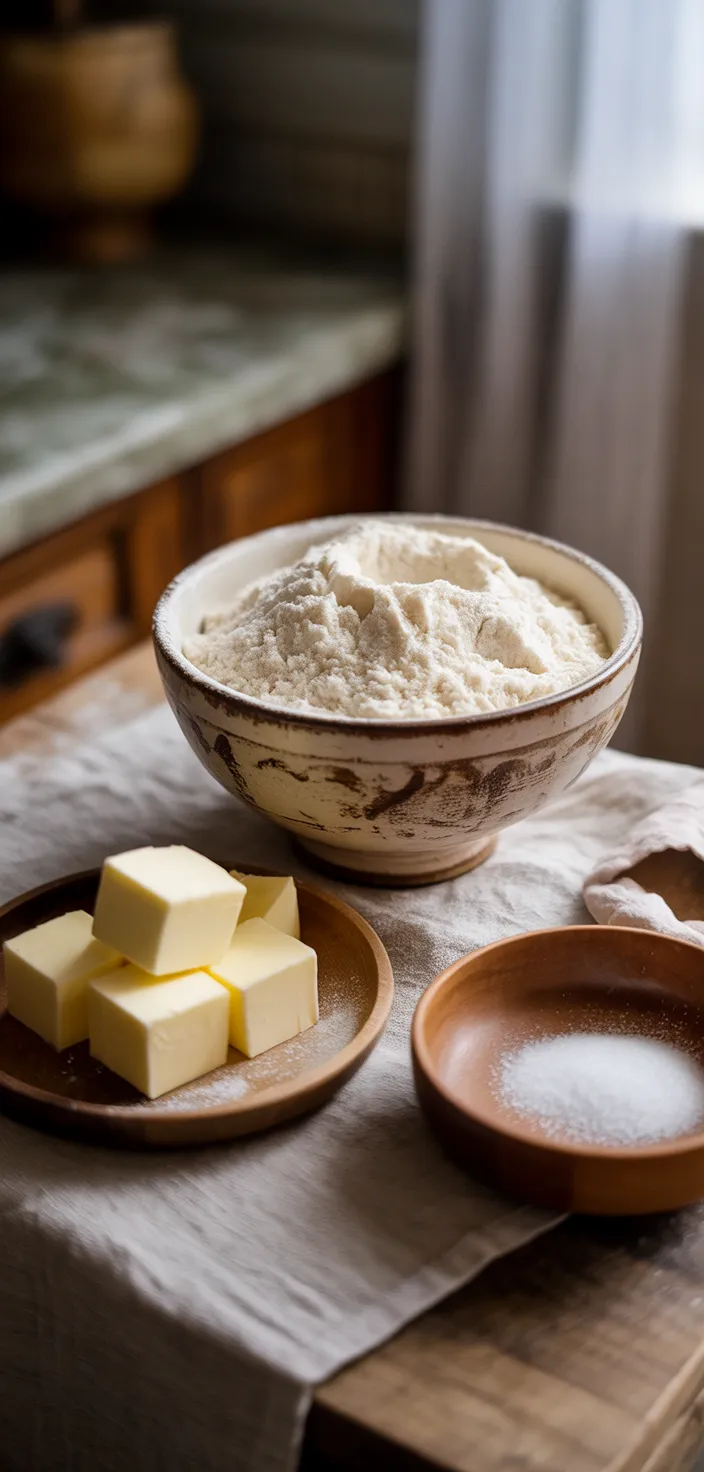
- All purpose flour: Provides structure and carbs, some protein from gluten, makes crust flaky when handled right.
- Unsalted butter: Rich in fat, gives flavor tenderness and flakiness, keep it very cold or it melts.
- Granulated sugar (optional): Adds a hint of sweetness and browning, optional for savory pies, carries little fiber.
- Fine salt: Enhances flavor balance and strengthens gluten slightly, tiny amount makes crust taste better.
- Ice water: Hydrates dough, controls gluten development, cold water keeps butter solid for flakiness.
- Distilled vinegar or vodka (optional): Optional acids that limit gluten, make crust tender, vinegar gives slight tang, vodka evaporates.
Ingredient Quantities
- 2 1/2 cups (312 g) all-purpose flour
- 1 teaspoon fine salt
- 1 tablespoon granulated sugar (optional)
- 1 cup (2 sticks, 226 g) unsalted butter, very cold, cut into 1/2 inch cubes
- 6 to 8 tablespoons (90 to 120 ml) ice water
- 1 tablespoon distilled white vinegar or 2 tablespoons vodka (optional)
- Extra all-purpose flour for dusting
How to Make this
1. In a large bowl mix 2 1/2 cups (312 g) all purpose flour, 1 teaspoon fine salt and 1 tablespoon granulated sugar if you want a hint of sweetness; toss to combine.
2. Add 1 cup (2 sticks, 226 g) very cold unsalted butter cut into 1/2 inch cubes. Using a pastry cutter, two forks, or a food processor pulse briefly until the mixture looks like coarse crumbs with some pea sized butter bits left. Dont over do it, those chunks give flakiness.
3. If using, pour in 1 tablespoon distilled white vinegar or 2 tablespoons vodka now. Add 6 to 8 tablespoons (90 to 120 ml) ice water a tablespoon at a time, stirring with a fork until the dough just holds when you pinch it. Stop as soon as it comes together, you want it shaggy not smooth.
4. Turn the dough out onto a lightly floured surface (use extra all purpose flour for dusting) and press it together gently; divide into two equal portions. Form each into a flat disk about 1 inch thick. Dont knead or work it too much.
5. Wrap each disk tightly in plastic wrap and chill in the fridge at least 1 hour, or overnight for best flavor and less shrinking. You can freeze for up to 2 months.
6. When ready to roll, let the dough sit 5 minutes so it’s not rock hard. Roll between two sheets of parchment or on a floured surface until about 1/8 inch thick and about 2 inches wider than your pie pan.
7. Transfer the rolled crust to the pie pan by rolling it onto the rolling pin and unrolling over the pan. Gently ease it into place, dont stretch. Trim excess leaving about 1/2 inch overhang, fold under and crimp or flute edges how you like.
8. For a juicy filling chill the assembled crust 30 minutes before baking to prevent shrinking. If your pie recipe calls for a prebaked shell: chill then line with parchment and pie weights or dried beans.
9. Blind bake when needed: preheat oven to 375 F (190 C), bake with weights for 15 to 20 minutes until edges set, remove weights and parchment and bake another 5 to 10 minutes until golden. For filled pies follow the filling recipe baking directions.
10. Tips and fixes: keep everything cold, work fast, add water sparingly, patch holes with scrap dough, use vodka or vinegar for a more tender crust if you like. Store leftover crust in fridge up to 3 days.
Equipment Needed
1. Large mixing bowl — for flour, salt and sugar (and mixing the butter in)
2. Kitchen scale and measuring cups/spoons — measure grams and tablespoons accurately
3. Pastry cutter or two forks (or a food processor) — to cut the cold butter into the flour
4. Bench scraper or knife — to press, divide and lift the dough without overworking it
5. Plastic wrap — to tightly wrap disks for chilling or freezing
6. Rolling pin — roll the dough between parchment or on a floured surface
7. Parchment paper or silicone baking mat — roll between sheets and for blind-baking lining
8. 9-inch pie pan (or your desired pan) — to shape and bake the crust
9. Pie weights or dried beans + baking sheet and oven mitts — for blind-baking and safe oven handling
FAQ
Easy Homemade Pie Crust From Scratch Recipe Substitutions and Variations
- All-purpose flour: swap with pastry flour 1:1 by weight for a more tender crust; or use up to half whole wheat pastry flour for a nuttier, heartier crust but expect it to be a bit firmer; for gluten free, try a cup-for-cup GF flour blend with xanthan gum and chill the dough well.
- Unsalted butter: use cold vegetable shortening or lard 1:1 by weight for extra flakiness, but it will taste less buttery; or do half butter half shortening to get both flavor and flake; for a vegan option try refined solid coconut oil 1:1, very cold, it might give a faint coconut note.
- Ice water: you can replace a couple tablespoons of the ice water with vodka (up to 2 Tbsp) to limit gluten development and help a flakier crust; or use ice cold milk or buttermilk for a richer, slightly sweeter dough but cut back a touch on added sugar.
- Distilled white vinegar or vodka (optional): swap the vinegar 1:1 with lemon juice for the same tenderizing acid effect; or omit the acid and just use the higher end of the ice water amount, dough will still work but might be a touch less tender.
Pro Tips
1. Keep everything rock cold and move fast, its the single best way to get those flaky layers; if the butter starts to soften pop the bowl or dough back in the fridge for 10 to 15 minutes and keep going.
2. Add water one tablespoon at a time and stop as soon as the dough holds when you pinch it, too much liquid makes a tough crust and you cant undo it later.
3. Use vodka or a splash of vinegar if you want an extra tender crust, they interfere with gluten so the dough stays flaky even if you roll it a few more times than planned.
4. Chill the shaped crust before baking and use pie weights for blind baking, this helps prevent shrinking and keeps the bottom from getting soggy; if you still have damp spots press a little scrap dough to patch them then bake as usual.
Easy Homemade Pie Crust From Scratch Recipe
As a professional food blogger, I finally cracked the code for pie crust from scratch with one simple trick that makes rolling and shaping far less intimidating.
8
servings
351
kcal
Equipment: 1. Large mixing bowl — for flour, salt and sugar (and mixing the butter in)
2. Kitchen scale and measuring cups/spoons — measure grams and tablespoons accurately
3. Pastry cutter or two forks (or a food processor) — to cut the cold butter into the flour
4. Bench scraper or knife — to press, divide and lift the dough without overworking it
5. Plastic wrap — to tightly wrap disks for chilling or freezing
6. Rolling pin — roll the dough between parchment or on a floured surface
7. Parchment paper or silicone baking mat — roll between sheets and for blind-baking lining
8. 9-inch pie pan (or your desired pan) — to shape and bake the crust
9. Pie weights or dried beans + baking sheet and oven mitts — for blind-baking and safe oven handling
Ingredients
2 1/2 cups (312 g) all-purpose flour
1 teaspoon fine salt
1 tablespoon granulated sugar (optional)
1 cup (2 sticks, 226 g) unsalted butter, very cold, cut into 1/2 inch cubes
6 to 8 tablespoons (90 to 120 ml) ice water
1 tablespoon distilled white vinegar or 2 tablespoons vodka (optional)
Extra all-purpose flour for dusting
Directions
- In a large bowl mix 2 1/2 cups (312 g) all purpose flour, 1 teaspoon fine salt and 1 tablespoon granulated sugar if you want a hint of sweetness; toss to combine.
- Add 1 cup (2 sticks, 226 g) very cold unsalted butter cut into 1/2 inch cubes. Using a pastry cutter, two forks, or a food processor pulse briefly until the mixture looks like coarse crumbs with some pea sized butter bits left. Dont over do it, those chunks give flakiness.
- If using, pour in 1 tablespoon distilled white vinegar or 2 tablespoons vodka now. Add 6 to 8 tablespoons (90 to 120 ml) ice water a tablespoon at a time, stirring with a fork until the dough just holds when you pinch it. Stop as soon as it comes together, you want it shaggy not smooth.
- Turn the dough out onto a lightly floured surface (use extra all purpose flour for dusting) and press it together gently; divide into two equal portions. Form each into a flat disk about 1 inch thick. Dont knead or work it too much.
- Wrap each disk tightly in plastic wrap and chill in the fridge at least 1 hour, or overnight for best flavor and less shrinking. You can freeze for up to 2 months.
- When ready to roll, let the dough sit 5 minutes so it’s not rock hard. Roll between two sheets of parchment or on a floured surface until about 1/8 inch thick and about 2 inches wider than your pie pan.
- Transfer the rolled crust to the pie pan by rolling it onto the rolling pin and unrolling over the pan. Gently ease it into place, dont stretch. Trim excess leaving about 1/2 inch overhang, fold under and crimp or flute edges how you like.
- For a juicy filling chill the assembled crust 30 minutes before baking to prevent shrinking. If your pie recipe calls for a prebaked shell: chill then line with parchment and pie weights or dried beans.
- Blind bake when needed: preheat oven to 375 F (190 C), bake with weights for 15 to 20 minutes until edges set, remove weights and parchment and bake another 5 to 10 minutes until golden. For filled pies follow the filling recipe baking directions.
- Tips and fixes: keep everything cold, work fast, add water sparingly, patch holes with scrap dough, use vodka or vinegar for a more tender crust if you like. Store leftover crust in fridge up to 3 days.
Notes
- Below you’ll find my best estimate of this recipe’s nutrition facts. Treat the numbers as a guide rather than a rule—great food should nourish both body and spirit. Figures are approximate, and the website owner assumes no liability for any inaccuracies in this recipe.
Nutrition Facts
- Serving Size: 94.6g
- Total number of serves: 8
- Calories: 351kcal
- Fat: 23.46g
- Saturated Fat: 14.49g
- Trans Fat: 0.85g
- Polyunsaturated: 1.12g
- Monounsaturated: 6.13g
- Cholesterol: 60.8mg
- Sodium: 295mg
- Potassium: 48.5mg
- Carbohydrates: 31.17g
- Fiber: 1.05g
- Sugar: 1.68g
- Protein: 4.04g
- Vitamin A: 203IU
- Vitamin C: 0mg
- Calcium: 12.6mg
- Iron: 0.47mg